Palazzo Turati
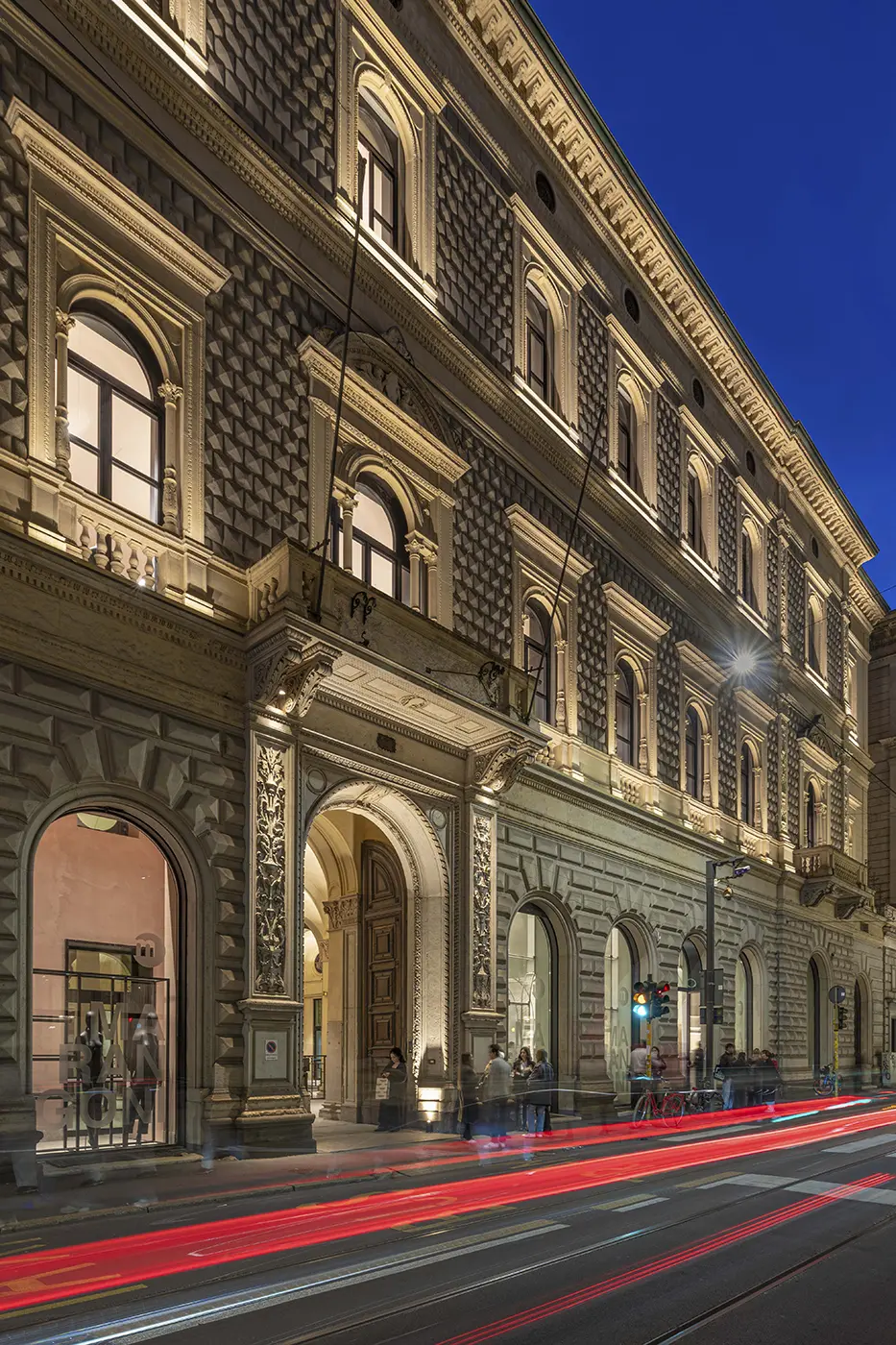
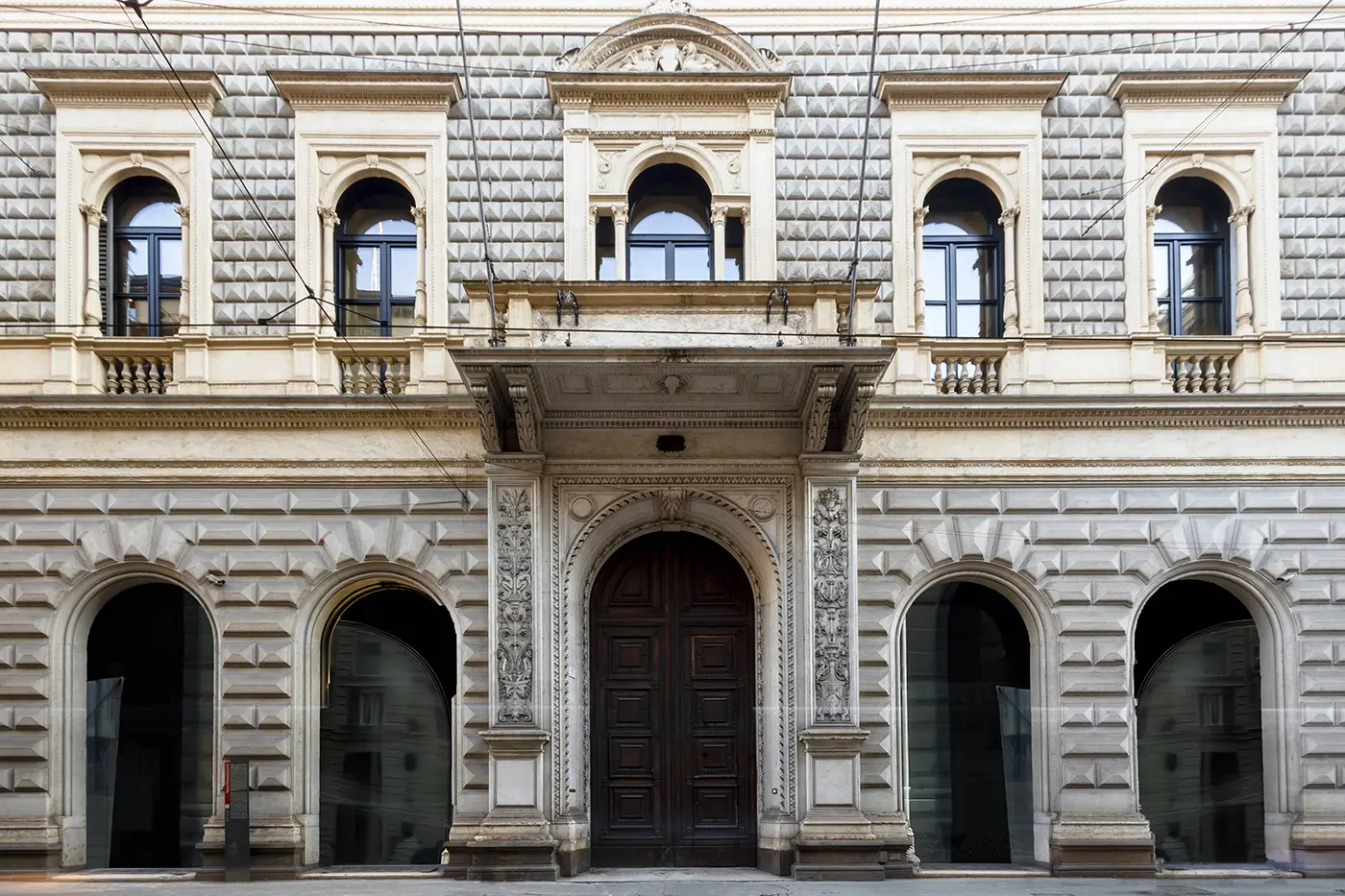
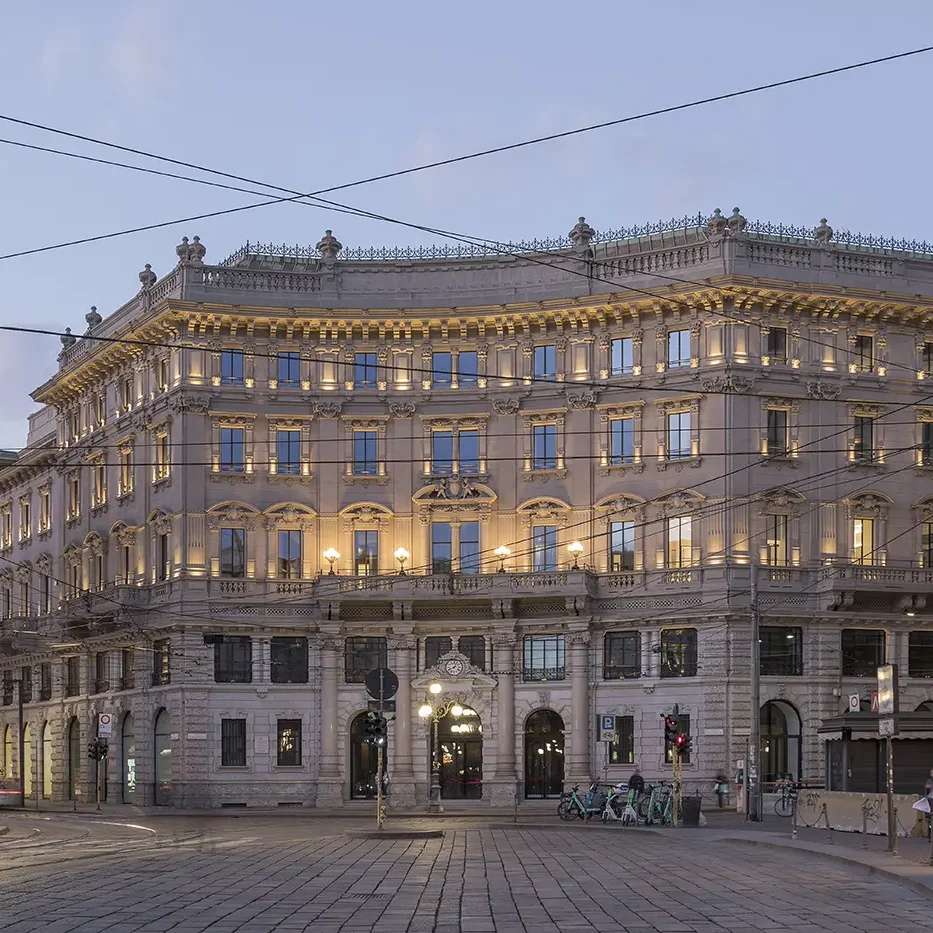
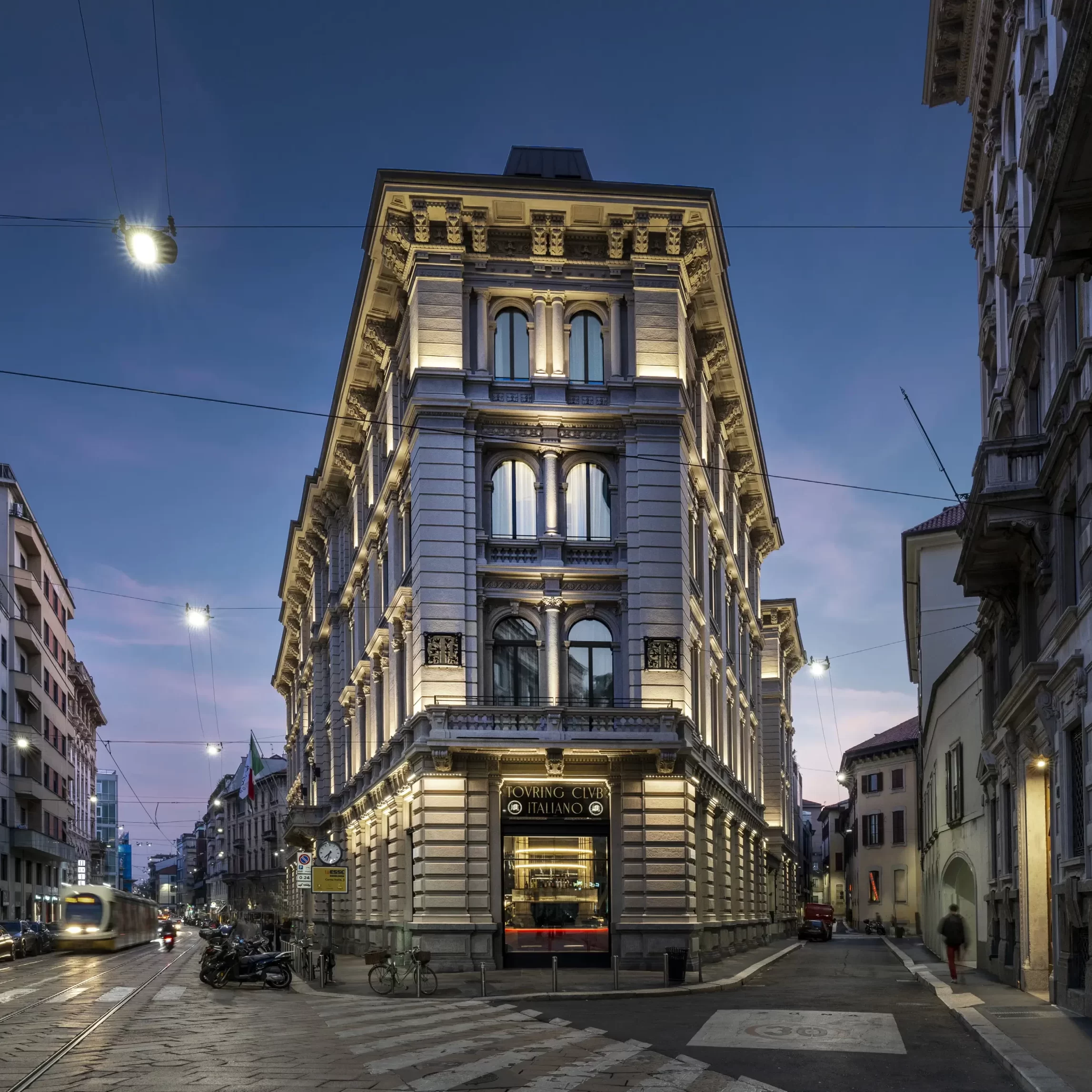
In the heart of Milan’s historic centre, Palazzo Turati has undergone a major regeneration that returns to the city one of its most representative historic buildings, transforming it into the new home of Istituto Marangoni – an international centre of excellence in education across the Fashion, Beauty and Hospitality sectors. Built between 1873 and 1876 at the behest of Count Francesco Turati and designed by architect Enrico Combi, the building stands as a significant example of Milanese Neo‑Renaissance architecture. The project reconciles the safeguarding of heritage with the introduction of contemporary technological solutions, reinterpreting the spaces to accommodate new teaching and training functions.
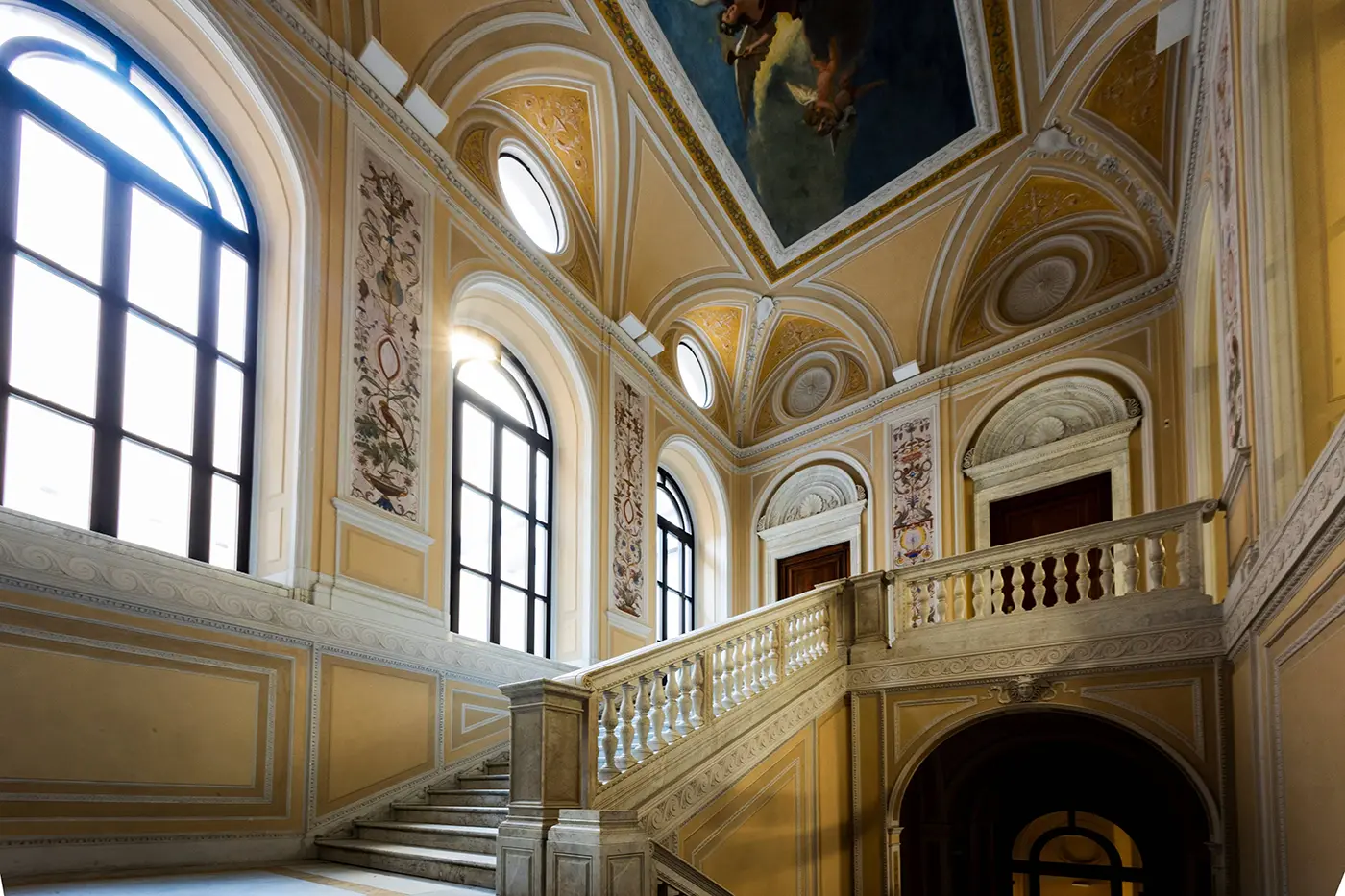
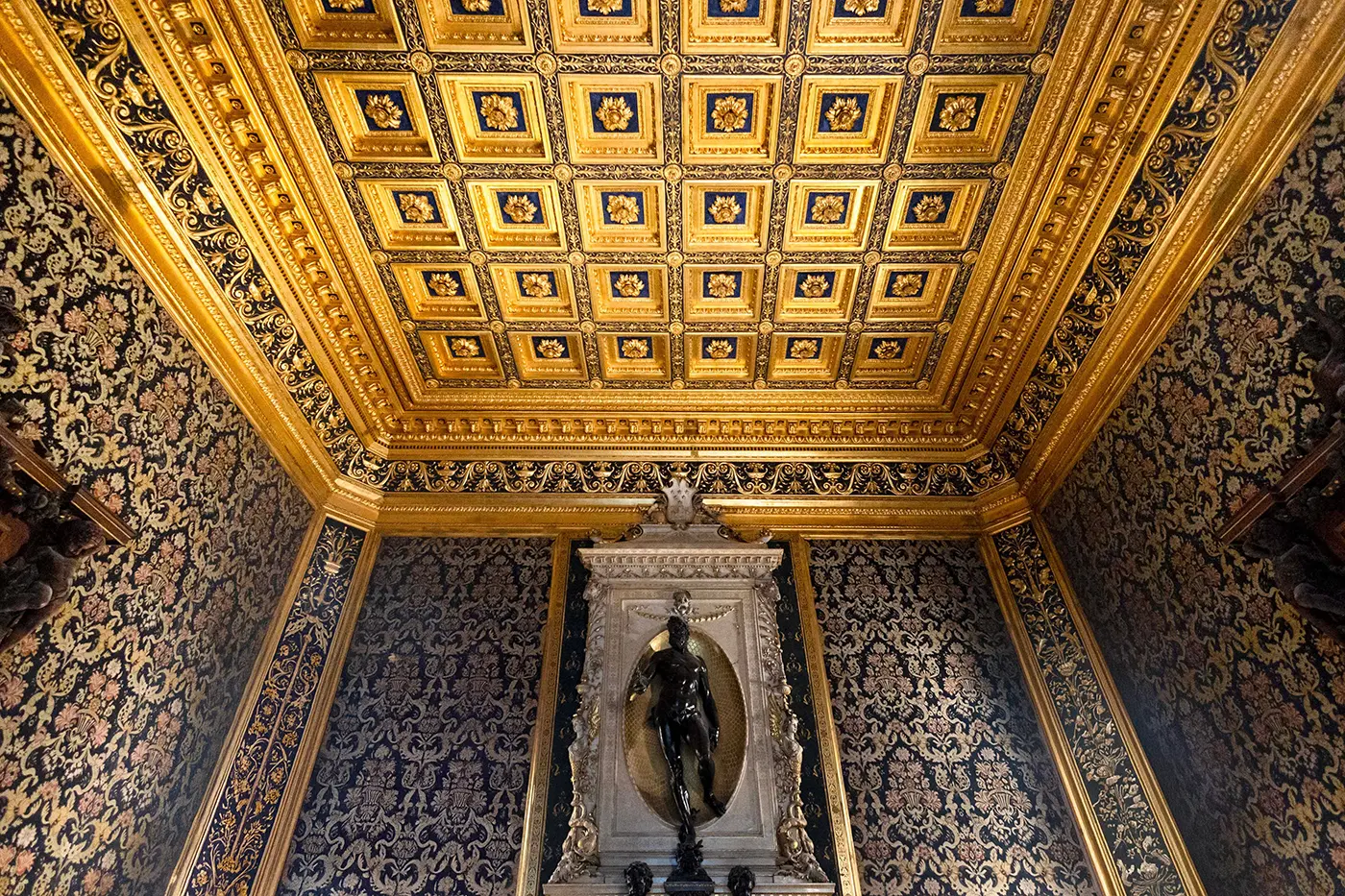
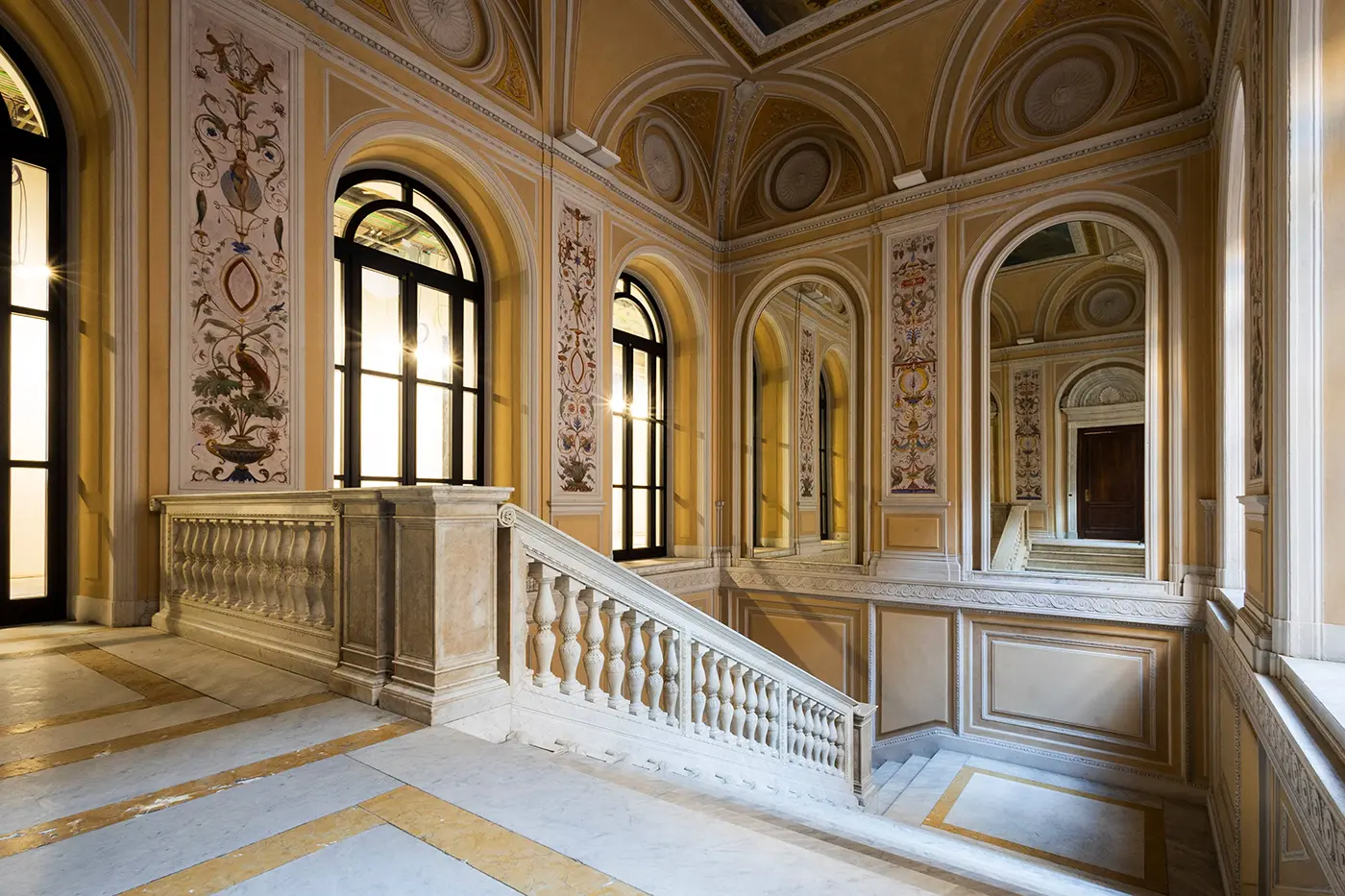
The property extends over six above‑ground storeys, for a total area of over 10,000 sqm, organised around a refined internal courtyard. The intervention included a meticulous enhancement of the most distinguished historic rooms – among them the three frescoed salons on the piano nobile (principal floor) – integrating them with new flexible teaching spaces, common areas and student services.
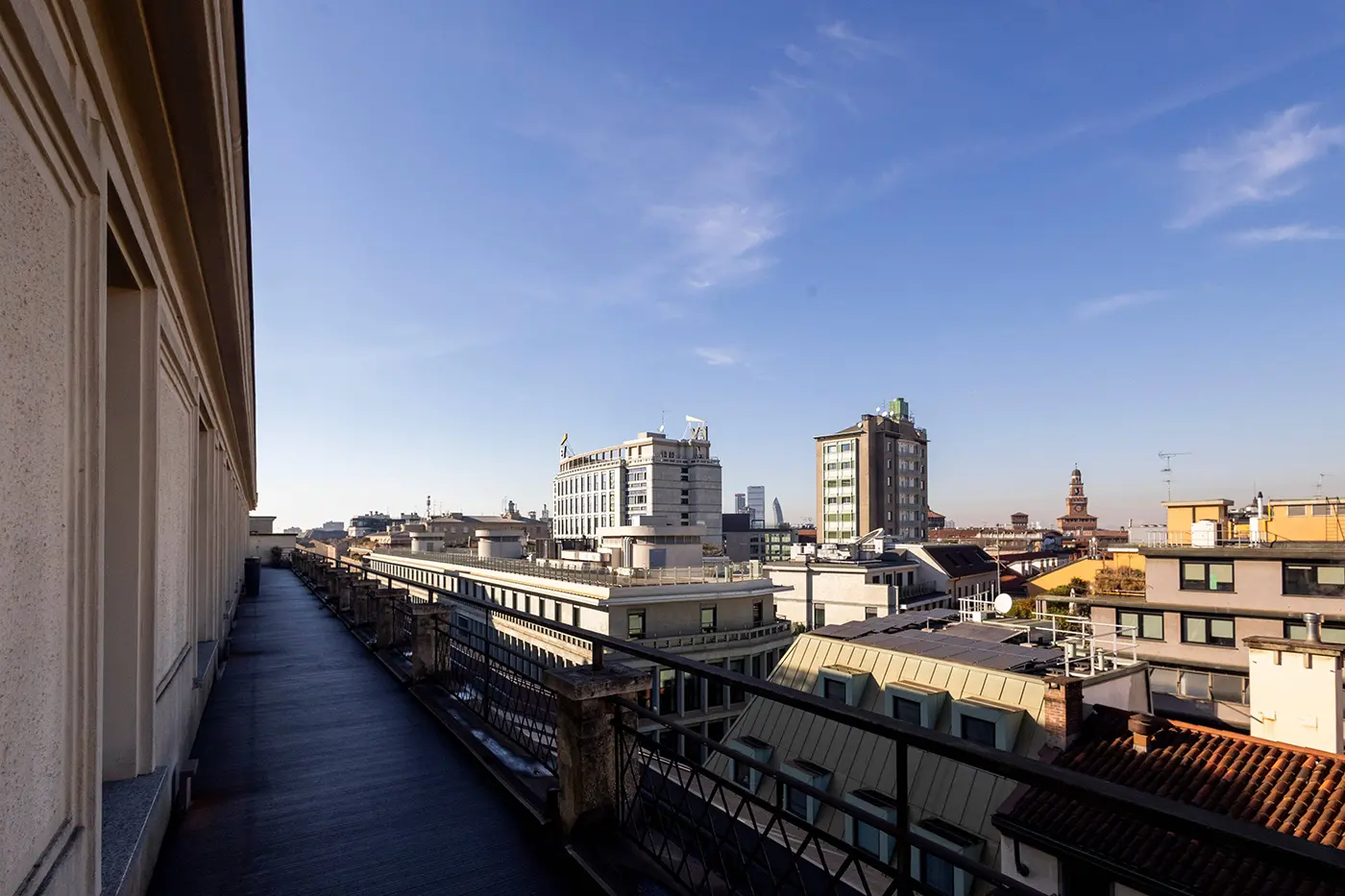
The architectural scheme also introduced new functional elements, including a dramatic double‑height reception at ground‑floor level and new spaces on the top floor, completed by a panoramic terrace overlooking the Castello Sforzesco and the Duomo. The works enabled the transformation of the building from an office headquarters into a contemporary learning campus, while preserving the historical identity of the complex intact.
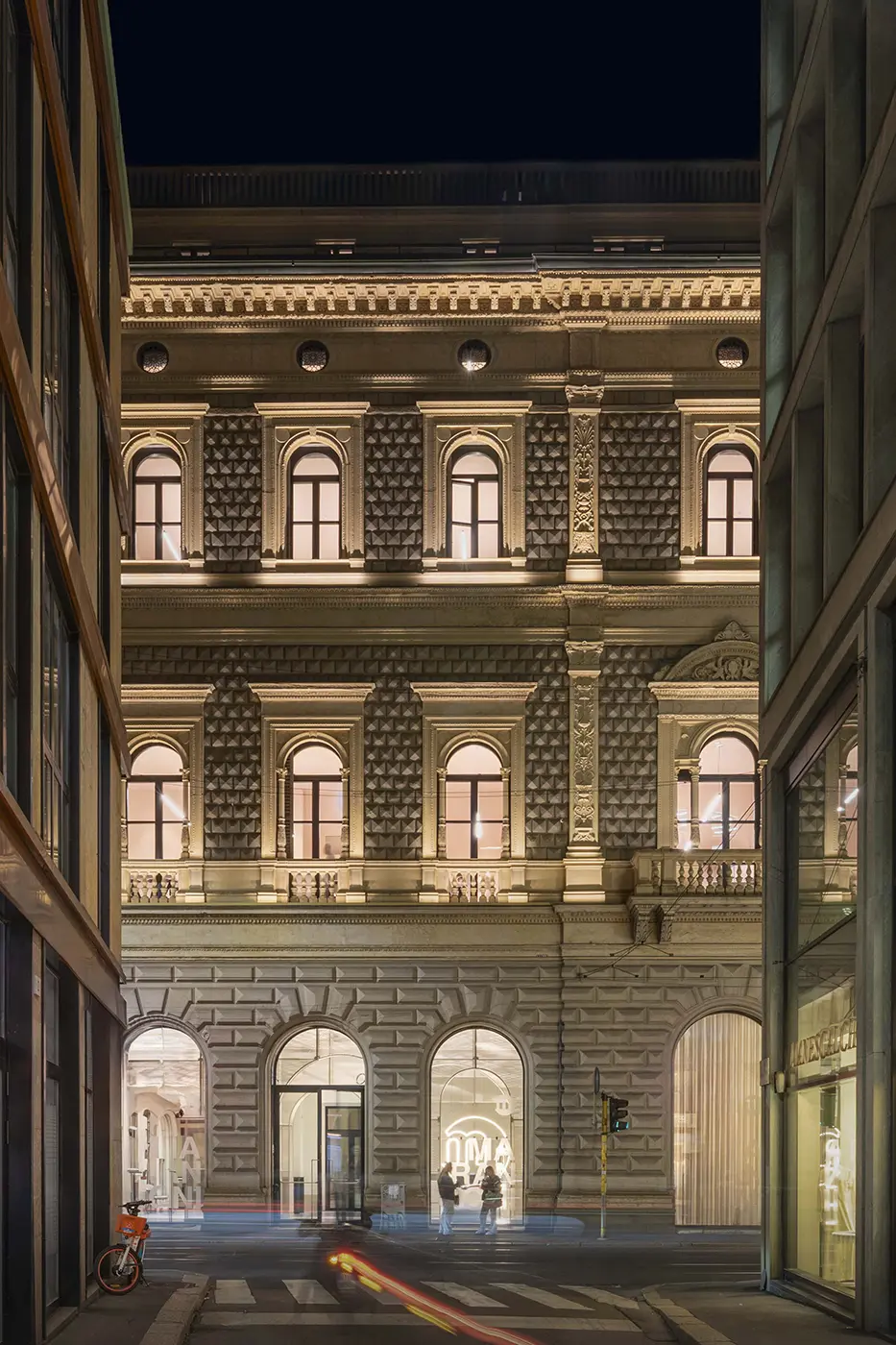
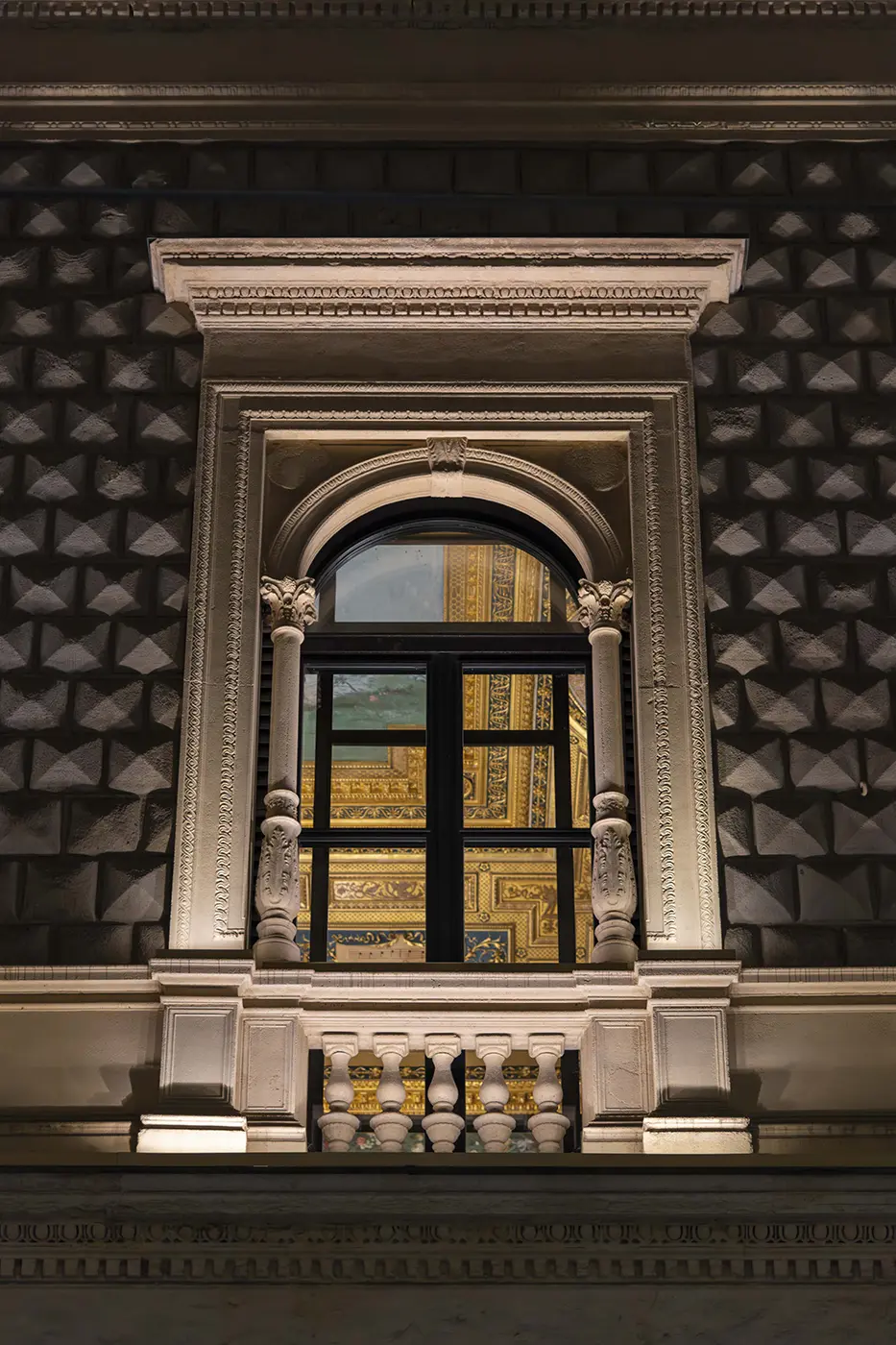
The façade lighting is conceived as an instrument for architectural legibility, capable of highlighting the principal decorative elements, bringing compositional balance to the whole, and establishing a clear visual hierarchy for an elegant, measured night‑time presence. Light distributions are designed to be soft and controlled, avoiding glare and light spill. All luminaires are custom‑made for Palazzo Turati: bespoke lengths, tailored optics and carefully selected finishes ensure perfect integration with the architecture, minimising the visual impact of technological components.
ESA engineering also oversaw the MEP systems design and site supervision, together with fire‑safety design, developing a programme of refurbishment and compliance upgrades tailored to the building’s new educational purpose. The air‑conditioning system was completely repurposed with the introduction of new high‑efficiency polyvalent heat pump/chiller units; distribution networks and HVAC systems were redesigned and extended to serve the new spaces, ensuring high standards of thermal comfort and indoor air quality. The works also included upgrading fire‑protection systems and implementing a new Building Management System for integrated control and monitoring of the building’s energy performance. The result is a project that strikes a virtuous balance between conservation of architectural heritage, technological innovation and sustainability, returning to the city an iconic place dedicated to educating the next generation of creative professionals.
Location
2022 - 2025
Surface Area: about 10.000 m²
Work Team
- Client:
Istituto Marangoni, Invesco Management SA - Property:
Invesco Management SA - Development Manager:
Kryalos - Architect:
Genius Loci Architettura - MEP Systems Design & Construction Supervision:
ESA engineering - Fire Safety Design:
ESA engineering - Acoustic Engineering:
ESA engineering - Lighting Design:
ESA engineering - Structural Design & Construction Supervision:
Buro Milan - Photo Credits:
Istituto Marangoni, ESA engineering