Pirelli 35, Milano
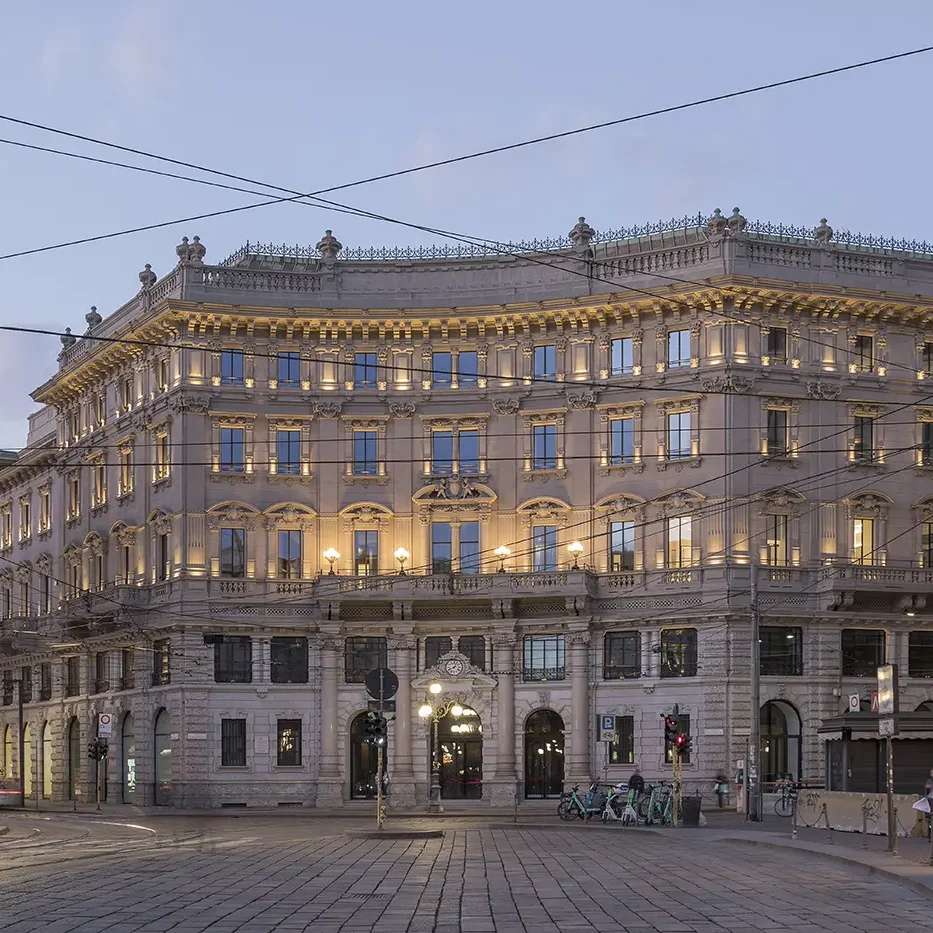
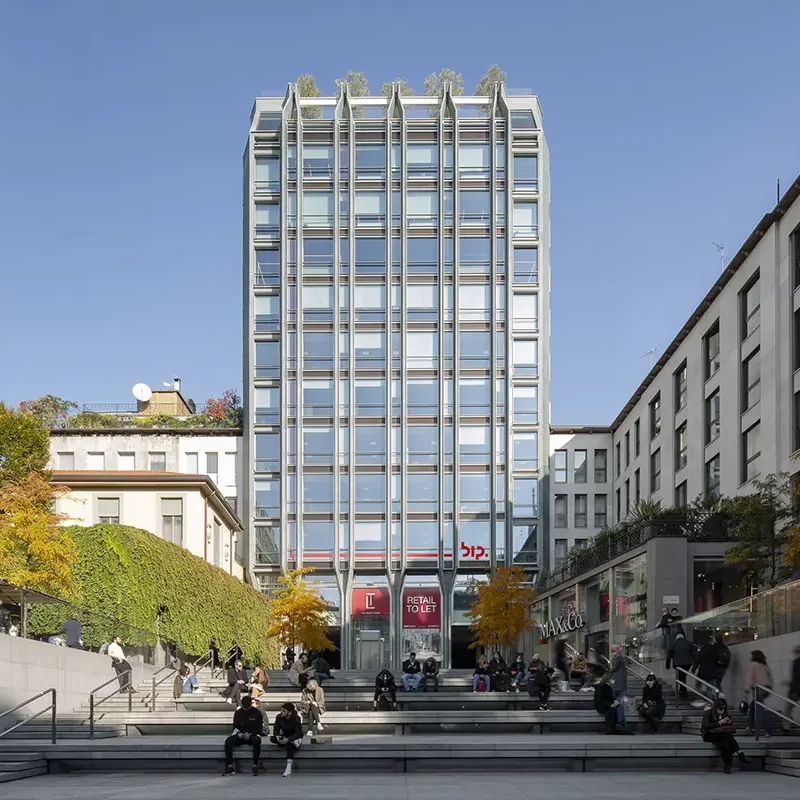
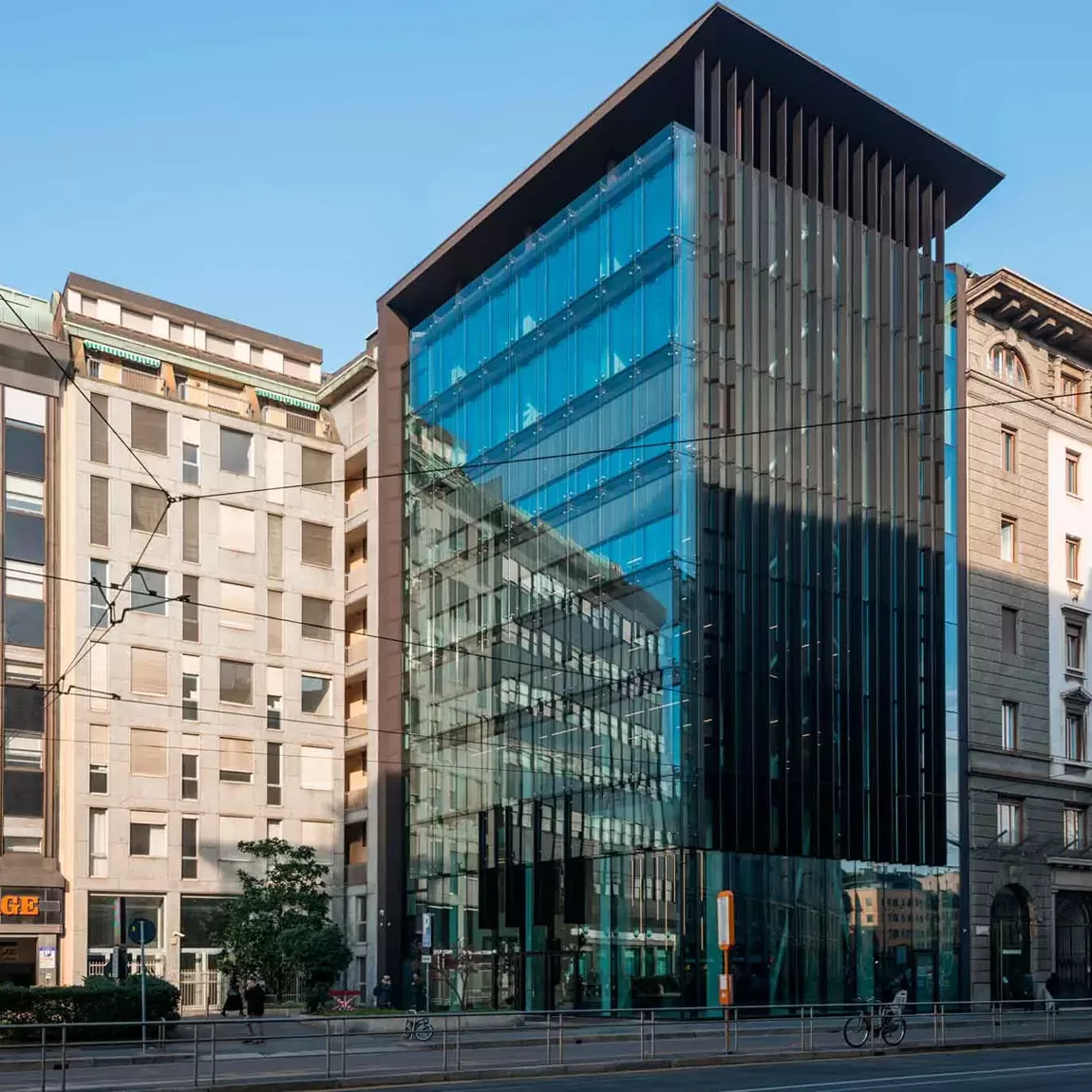
Situated in the heart of Milan, the office building at Via Pirelli 35—originally designed in the 1960s—has been reborn through a major redevelopment promoted by COIMA Sgr. The project stands as a forward-looking example of urban regeneration, based on a hard retrofitting approach that combines the rehabilitation of the existing structure with the creation of new architectural and social spaces.
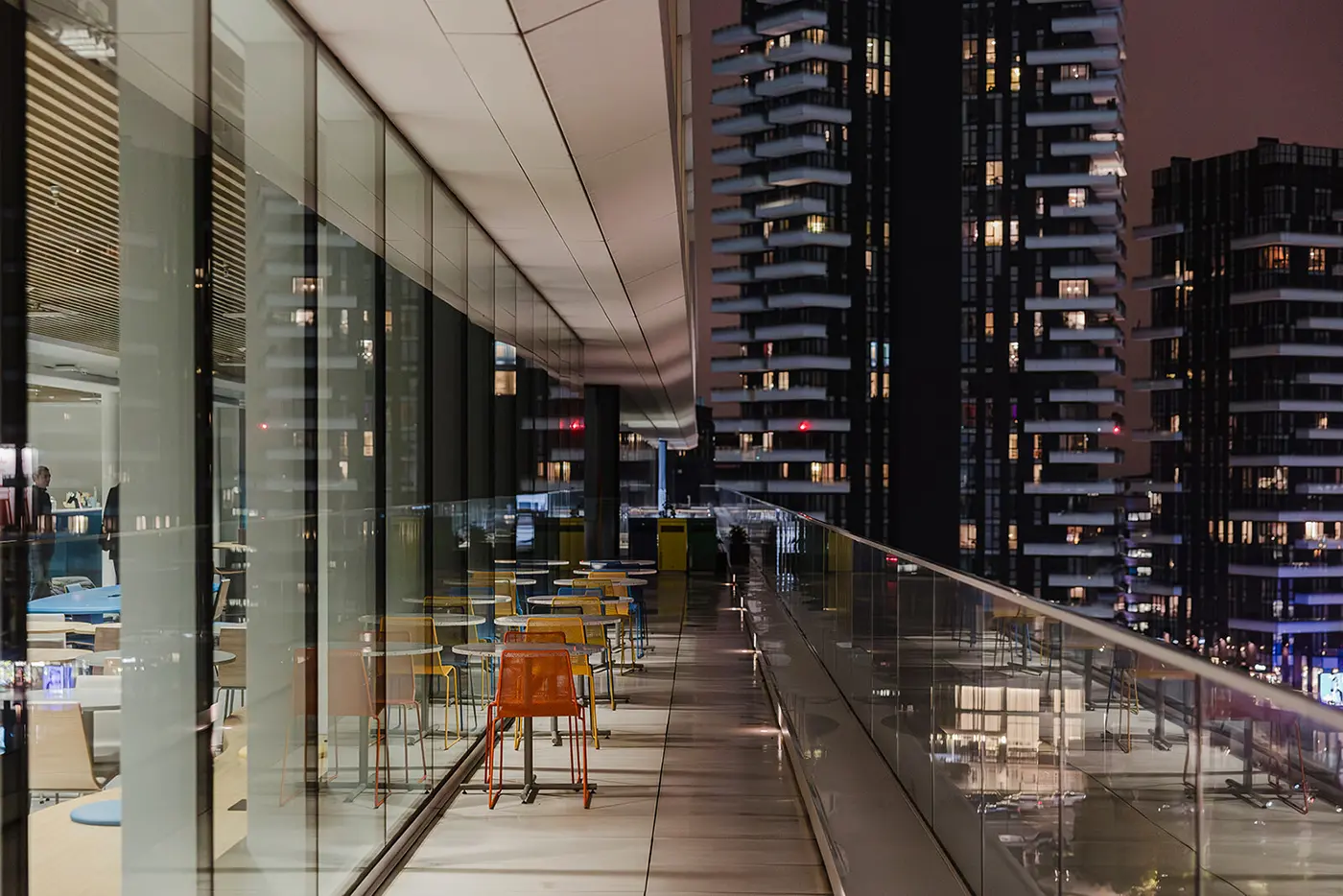
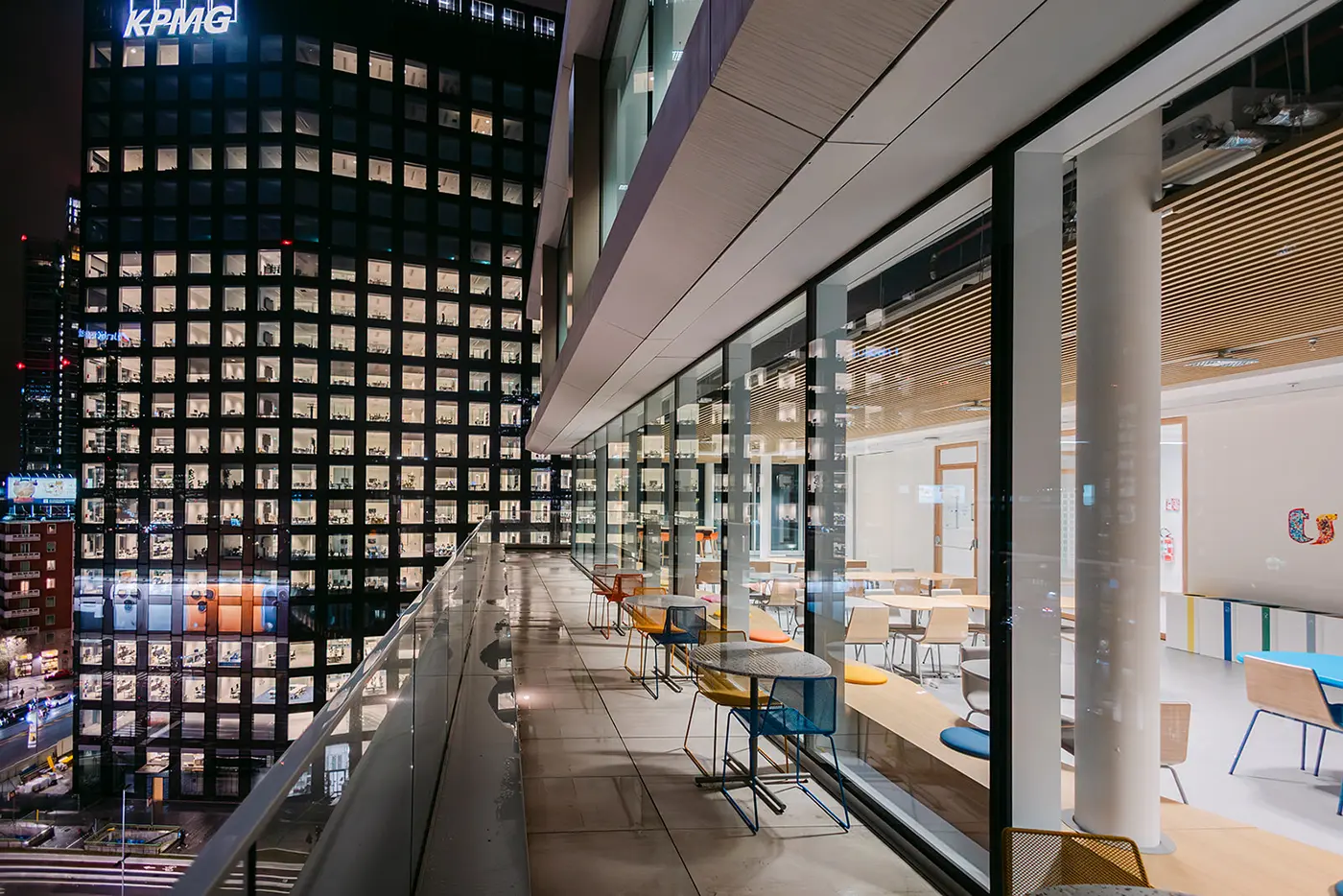
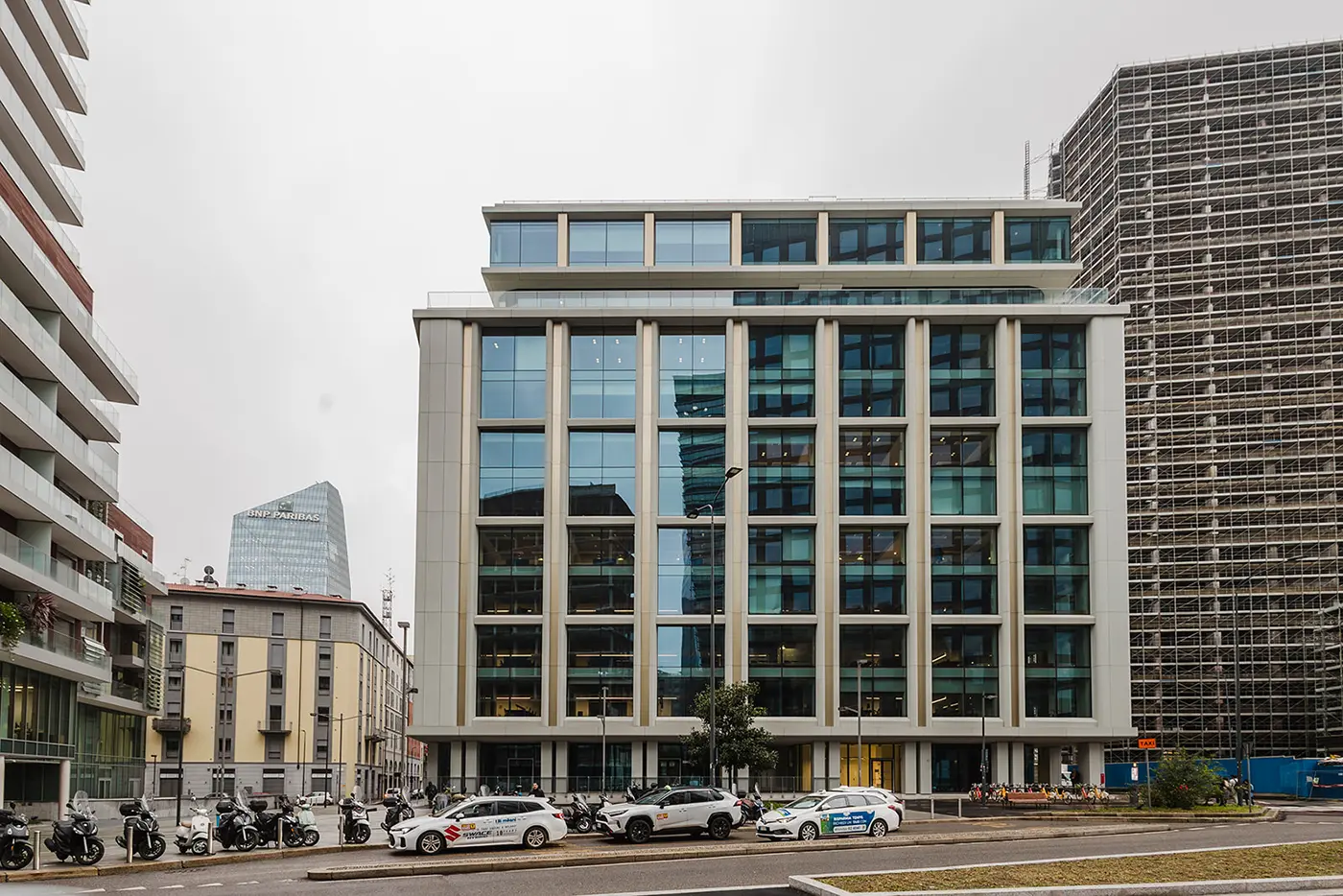
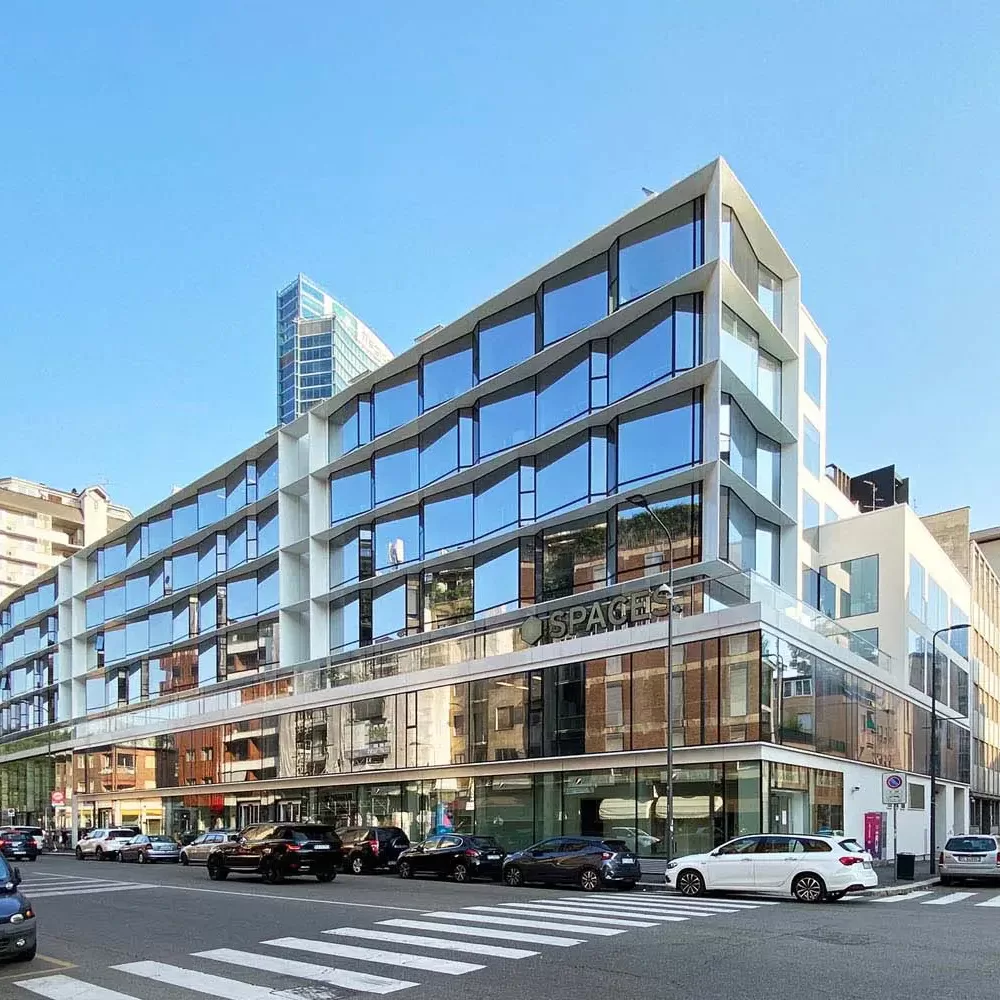
The intervention engages in continuity with its surrounding urban context, reinterpreting the original volumes through the addition of two upper floors conceived as a suspended element above the existing structure, together with a new extension along Via Bordoni, connected to the main building by a bridge volume. The demolition of the central portion of the building made it possible to create an open, permeable courtyard, featuring a publicly accessible garden and a continuous stone-paved surface that guides pedestrian flows, transforming the complex into a new urban connector.
Sustainability lies at the core of the design process, starting with the decision to preserve a substantial portion of the existing structure, thereby reducing the environmental impact associated with new construction. The building has achieved the highest international standards, earning LEED Platinum, WELL Gold, and WiredScore Gold certifications. It is designed as an NZEB (Nearly Zero Energy Building), with energy consumption reduced by 40% compared to ASHRAE benchmarks and a 50% reduction in water use.
Building services strategies represent a key component of the project. The HVAC system is based on chilled beams supplied by groundwater, allowing free cooling operation during mid‑seasons and a significant reduction in energy demand during summer months. The system is supported by advanced sensor technology that monitors indoor environmental conditions and energy consumption in real time, integrated with electrostatic filters to ensure high indoor air quality standards.
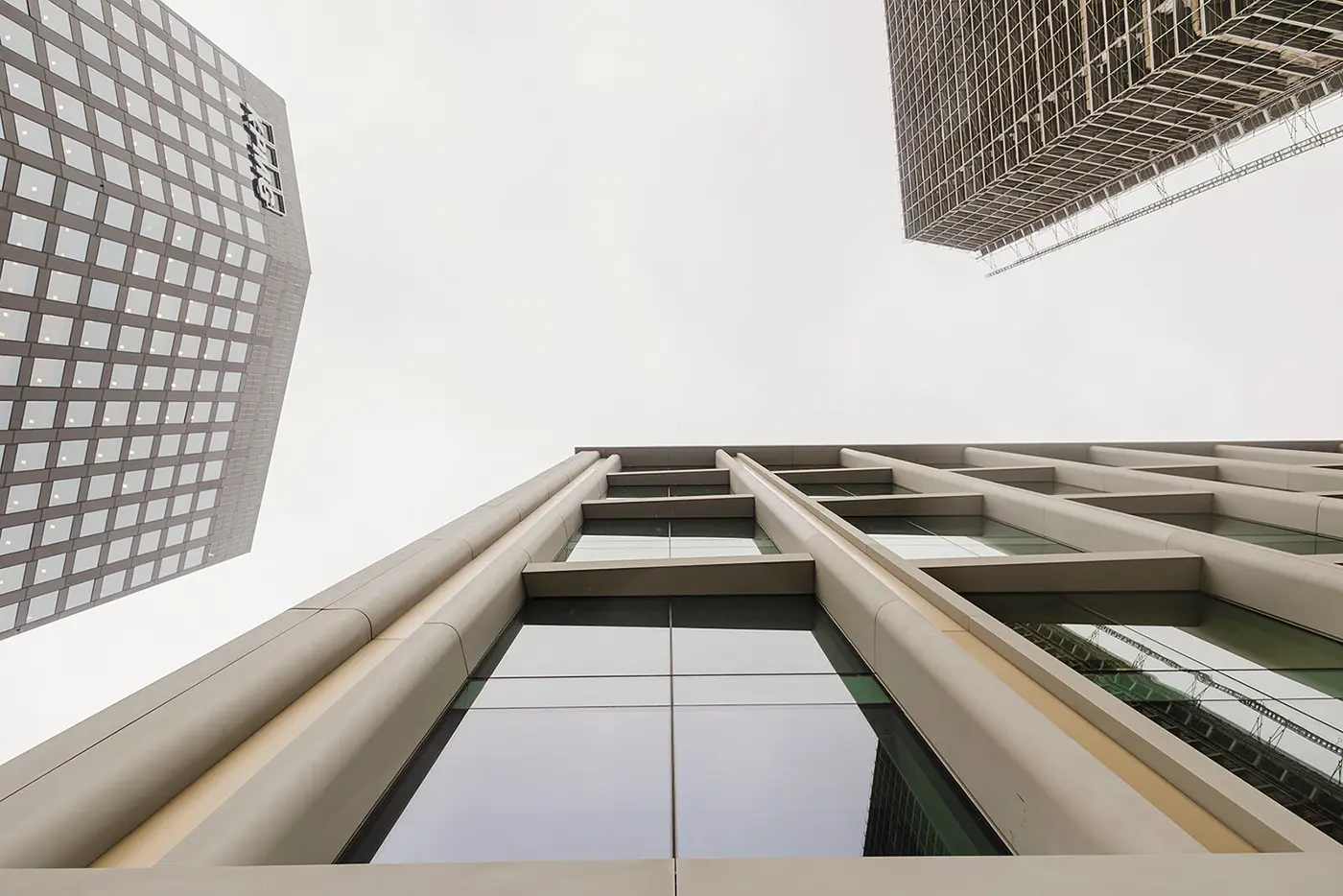
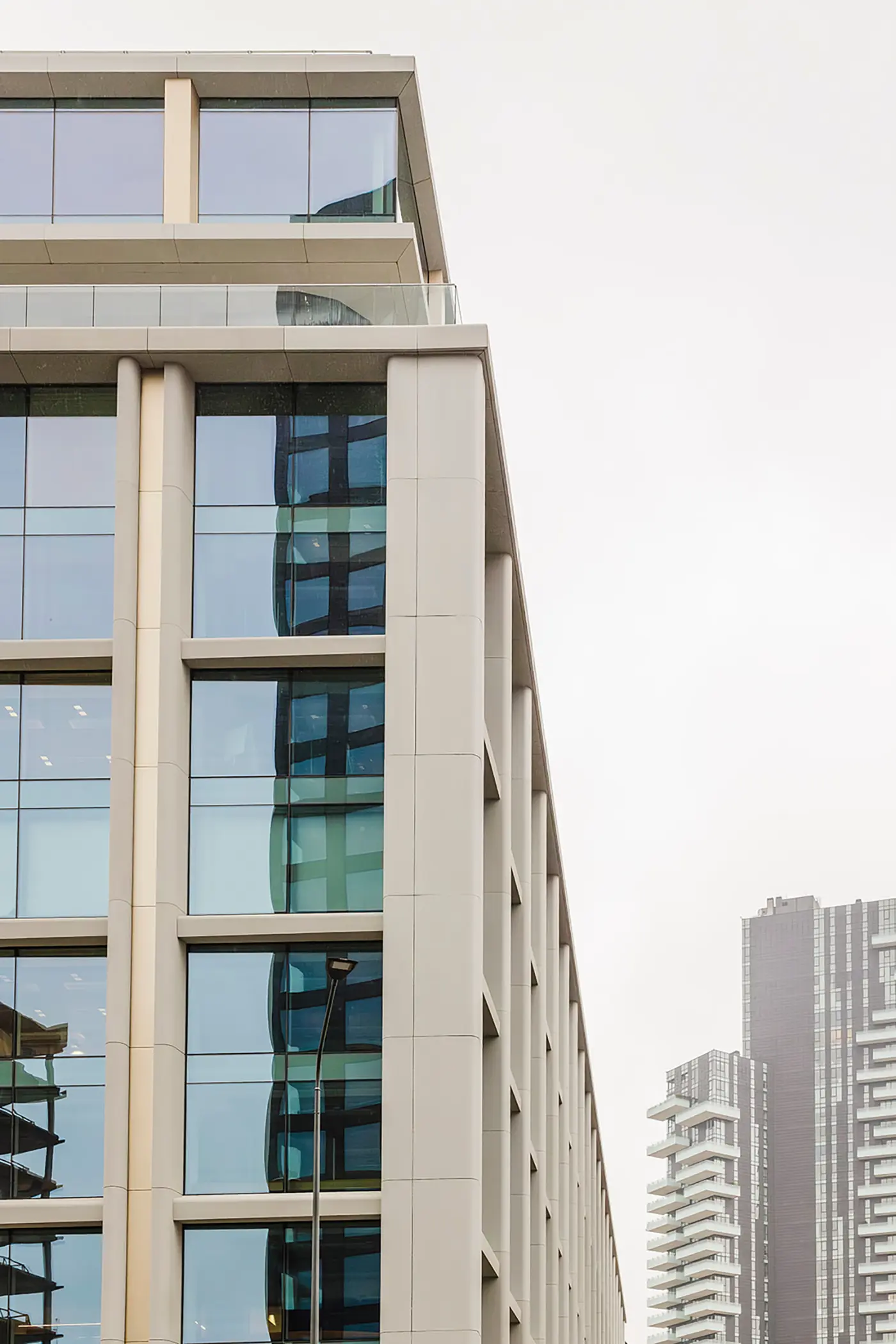
Particular attention was given to the design of the building envelope, developed through dynamic thermal simulations, daylight analyses, and acoustic studies, with the aim of optimizing the balance between opaque and transparent surfaces and enhancing overall performance. The integration of a high-efficiency photovoltaic system further contributes to reducing the building’s energy demand.
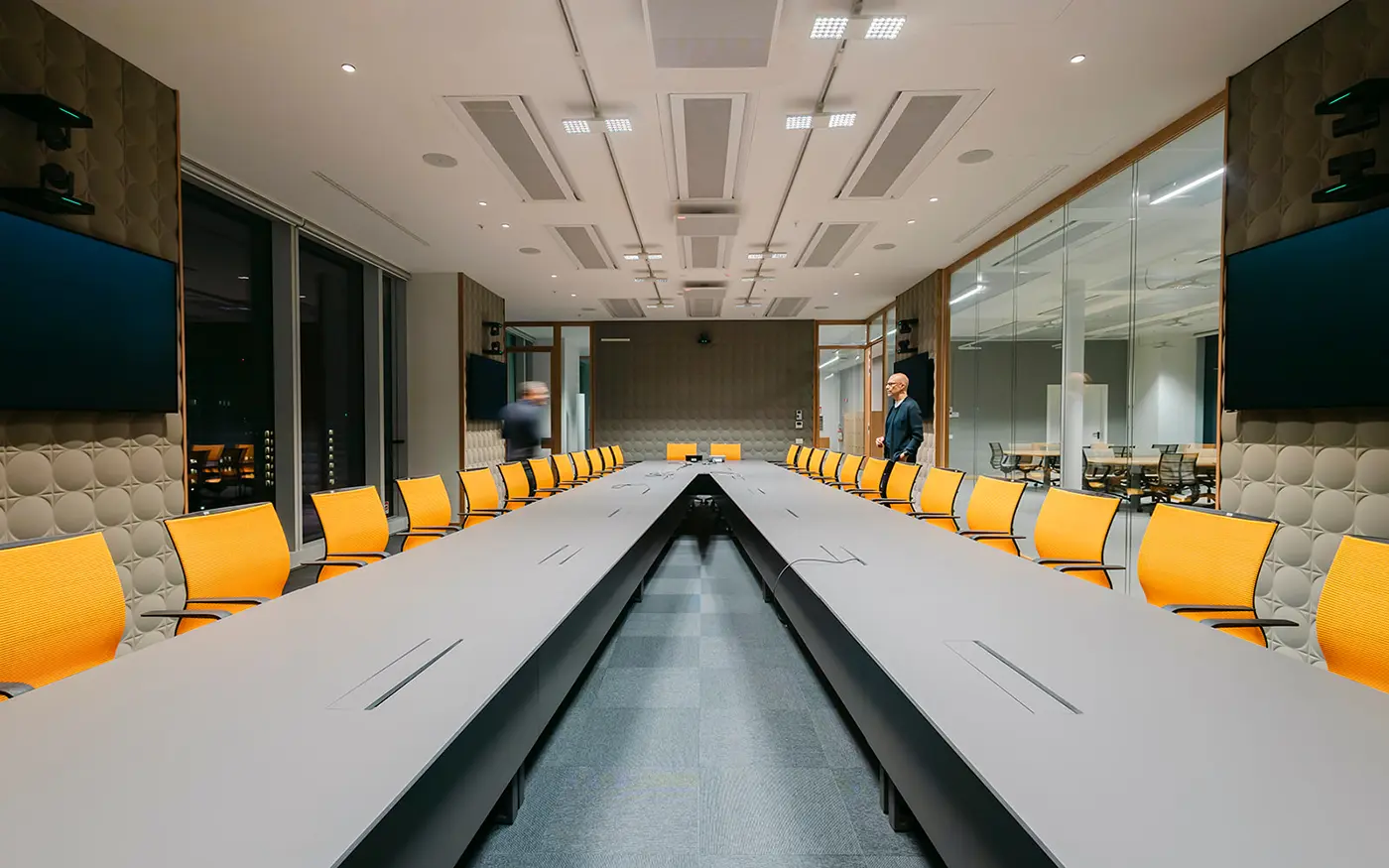
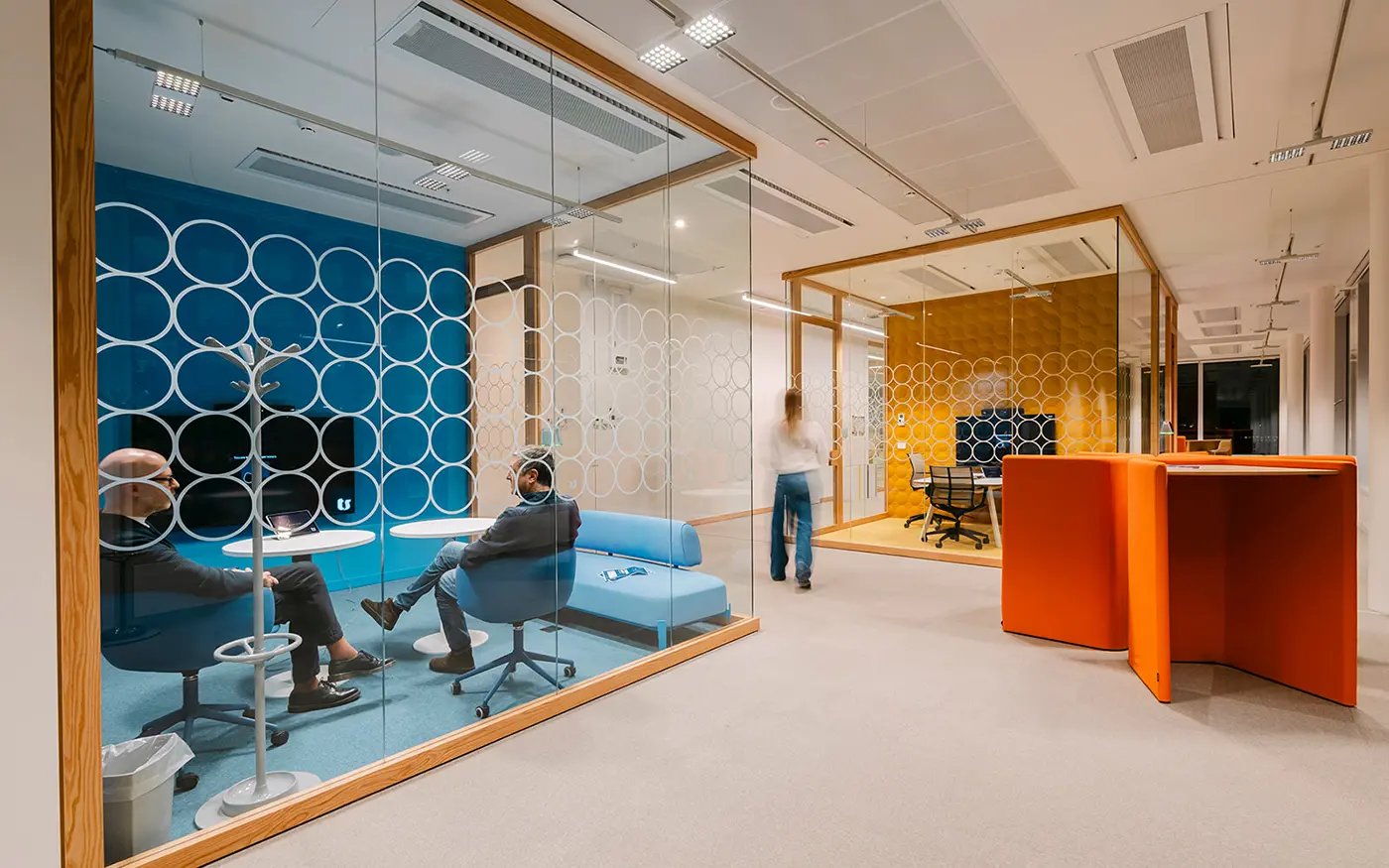
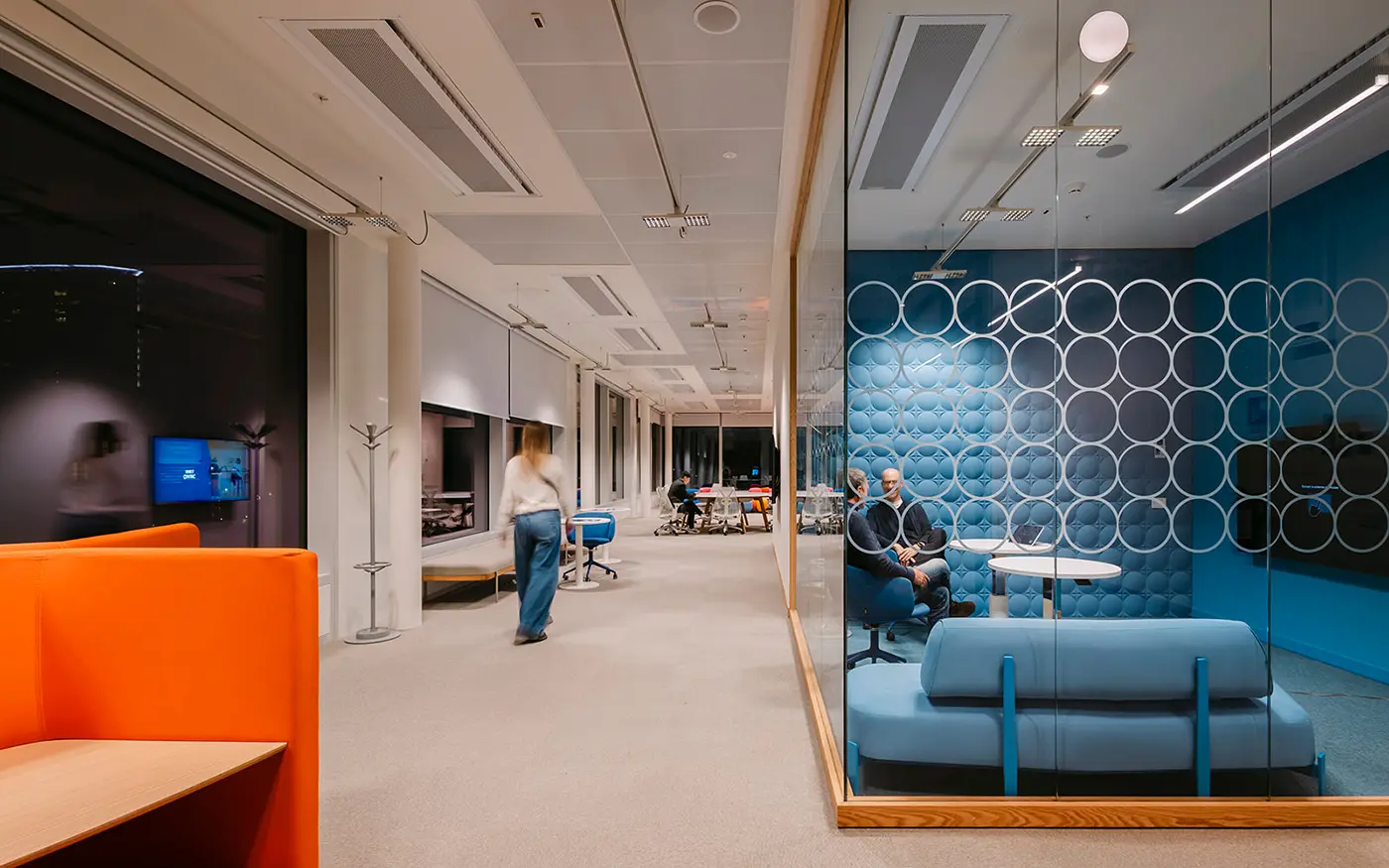
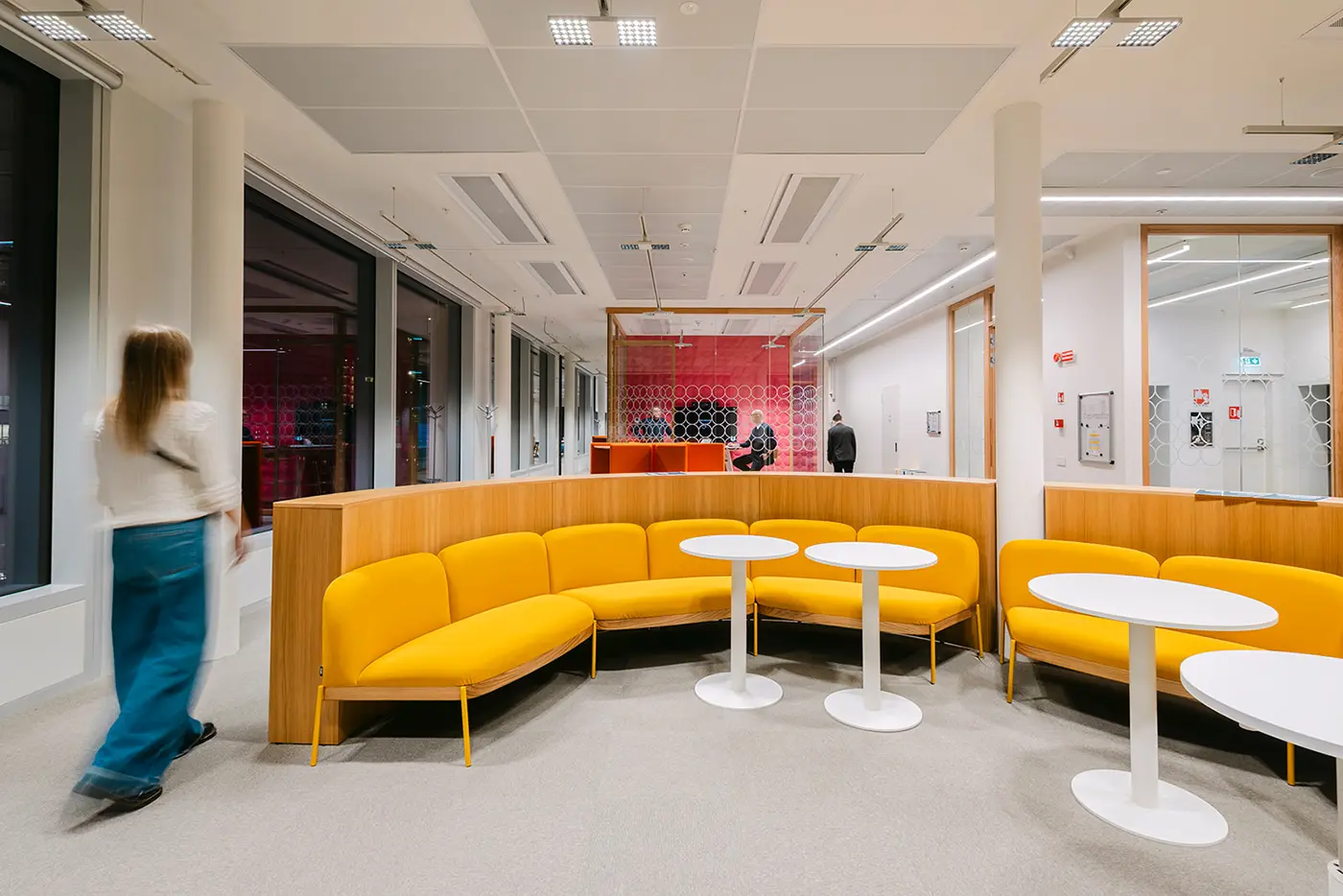
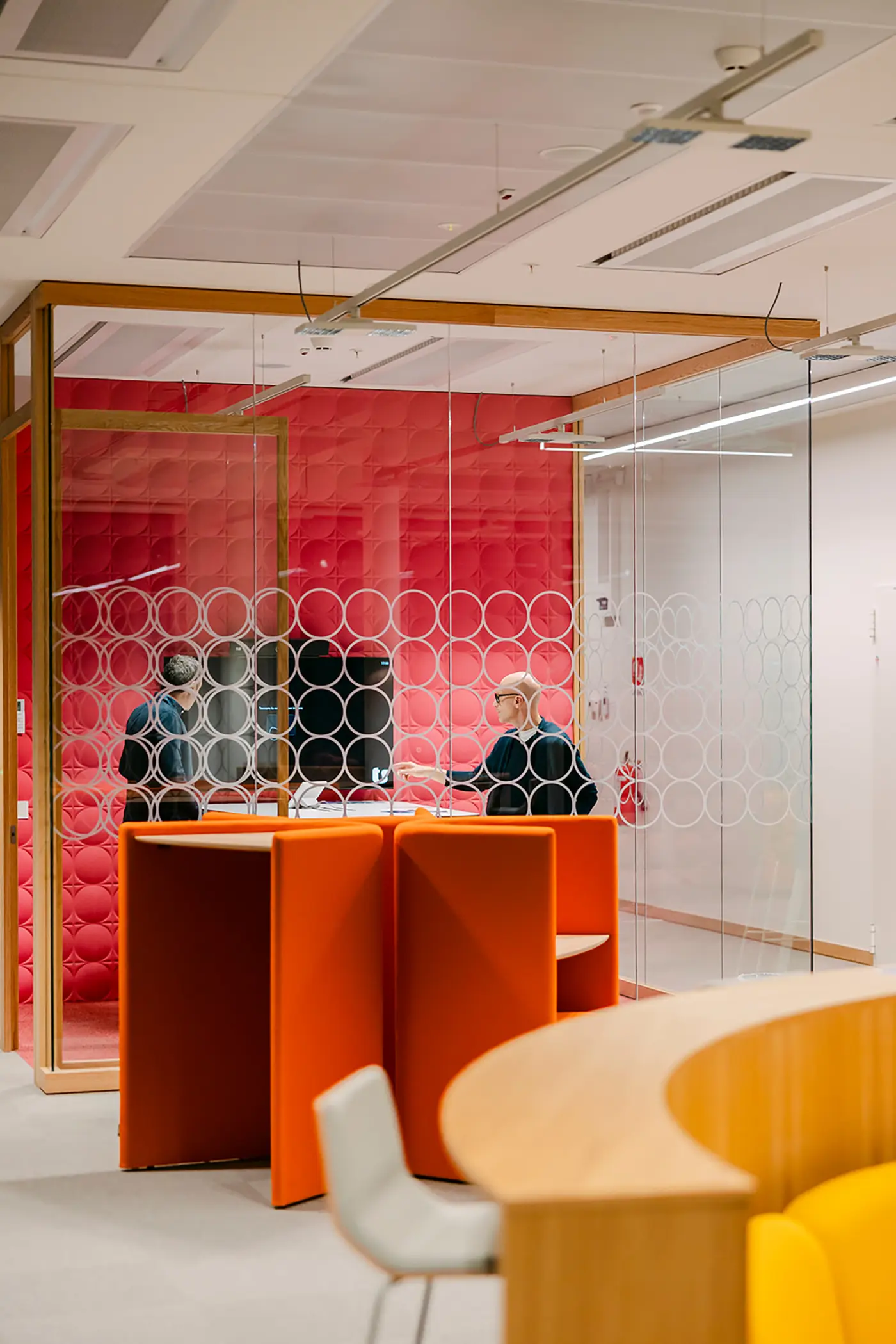
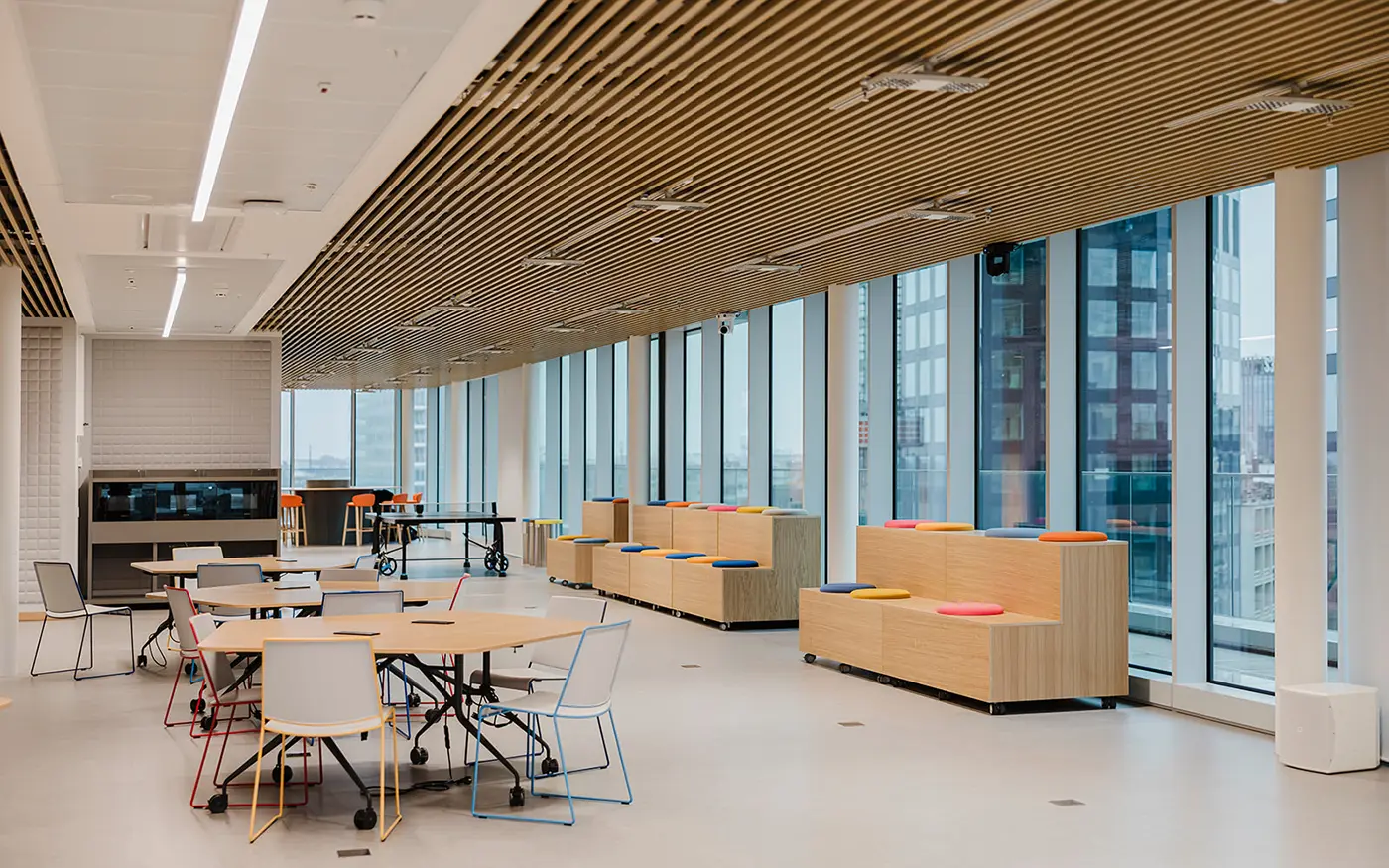
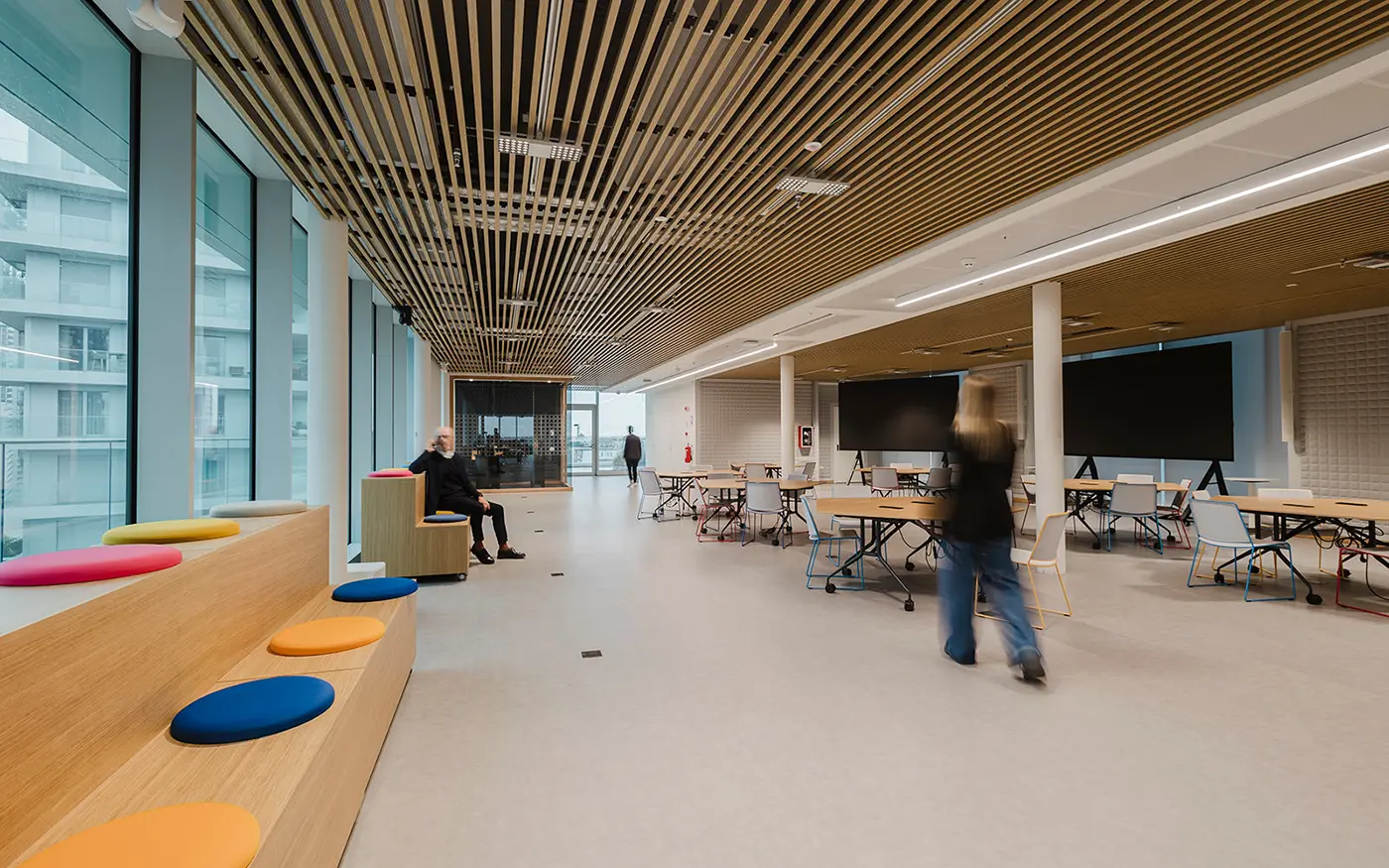
The lighting design, conceived according to a modular logic, interacts seamlessly with the flexibility of the interior spaces, ensuring optimal illuminance levels that can be adapted to different usage scenarios. Light thus becomes a tool for environmental quality and visual comfort, supporting the evolving needs of contemporary workspaces.
Pirelli 35 demonstrates how technological innovation, energy efficiency, and spatial quality can be successfully integrated, delivering back to the city a contemporary, open, and resilient architectural landmark.
Location
2020 - Completed in 2025
Surface Area: about 30.000 m²
Work team
- Client, Project Management:
Coima SGR - Concept Design Architect:
Park Associati, Snøhetta - Lanscape Design Architect:
Snøhetta - Local & Executive Architect:
MPArtner - Legal Advisor:
Belvedere Inzaghi & Partners – BIP - Design & Construction Supervision Structures:
CeAS – Centro di Analisi Strutturale - Feasibility, Design, Construction Supervision & Test MEP Systems:
ESA engineering - Acoustic Design & Construction Supervision :
ESA engineering - Energy Consultancy:
ESA engineering - Vertical Transportation Consultancy:
ESA engineering - Lighting Design:
ESA engineering - Fire Safety Design:
GAe Engineering - Geological and Geotechnical Consultancy:
Studio Idrogetecnico - Facade Consultancy:
Faces Engineering - Sustainability Certification LEED, WELL, WiredScore:
ESA engineering - CSP/CSE/RL/DESIGN TEAM/QS – Reclamations & Strip-out:
REAAS - CSP/CSE/RL/DESIGN TEAM/QS – Project:
GAe Engineering - Quantity Surveyor:
J&A Consultants - General Contractor:
Carron - Photo credits:
ERCO GmbH, Marcela Schneider Ferreira